
Social Engineering Scams: The holidays are especially dangerous
As the holiday season approaches, many of us are filled with excitement, generosity, and a desire to connect with others. Unfortunately, cybercriminals know this—and they’re counting on it.
Social engineering scams spike during the holidays, preying on our emotions and sense of urgency. These scams can manipulate people into revealing sensitive information, clicking malicious links, or making hasty decisions they wouldn’t normally consider.
More Info:
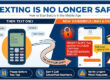
The holidays are here – be careful!
HDF InfoLine
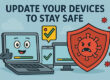
Read that email, and check it twice!
HDF InfoLine
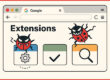
Tis the season for holiday scams!
HDF InfoLine

Stay Safe, Stay Smart
The holidays should be a time of joy—not cyber stress. By staying alert and informed, you can protect yourself and your loved ones from falling victim to social engineering scams.
If your organization is a client of HDF’s then click the Phish Alert Button in your Outlook on any suspicious emails!
Have questions or need help spotting a scam? Reach out to your IT support team or visit trusted cybersecurity resources.
Why Holidays Are Prime Time for Scammers
During the holidays, people are:
- Busy and distracted, making them more likely to overlook red flags.
- More trusting and generous, especially when it comes to charitable giving.
- Eager to find deals, which can lead to clicking on fake promotions or websites.
- Expecting packages and communications, making it easier for scammers to impersonate delivery services or retailers.
Common Holiday Social Engineering Tactics
- Fake Charity Appeals
Scammers pose as charitable organizations, asking for donations to help those in need. Always verify the legitimacy of a charity before donating. - Urgent Shipping Notifications
“Your package is delayed—click here to reschedule!” These messages often contain malicious links or ask for personal information. - Too-Good-To-Be-True Deals
Phony emails or social media ads may offer massive discounts on popular items. These often lead to fake websites designed to steal your payment info. - Impersonation Scams
Fraudsters may pretend to be coworkers, friends, or family members in need of help or money, especially around the holidays.
How to Protect Yourself
Here are some proactive steps users can take:
✅ 1. Pause Before You Click: If something feels urgent or emotional, take a moment to verify it. Always look at the link “both ways“.
✅ 2. Check the Source: Look closely at email addresses, URLs, and sender names. Scammers often use slight misspellings.
✅ 3. Use Multi-Factor Authentication (MFA): This adds an extra layer of protection to your accounts.
✅ 4. Report Suspicious Activity: If you receive a questionable message, report it to your IT department or email provider.
✅ 5. Educate Yourself and Others: Share this information with coworkers, friends, and family to help keep everyone safe. This newsletter is free, so you can forward it, or cut and paste parts of it… don’t worry about plagiarizing… just get the message out.
Final Thought
If you’re unsure whether something is legitimate, don’t guess—ask. If your organization is a client of HDF’s, then click the Phish Alert Button in Outlook for any suspicious emails. If you are not affiliated with HDF, then reach out to your IT support team or visit trusted cybersecurity resources like CISA.gov or StaySafeOnline.org.
If you have questions about this, please let us know and we will be happy to assist you.
Take care,